By Jack Davis
Hello all! Thanks for tuning in to the final part of my two-part Charlie Kaufman series. If you haven’t read part one I’d highly suggest you do so you can get a feel for what makes Kaufman’s films distinct from other filmmakers of his generation. That said, part two takes a bit of a left turn from that, but I’d love for you to read it nonetheless. Also, feel free to read Timothee Lee’s piece on Kaufman’s films, which inspired this blog series.
Property of Sony Classics
As a writer, the films of Kaufman’s that I mentioned led me to write a non-linear drama for my thesis that I’m rather proud of, but they also forced me to mull over past relationships, especially the seemingly absurd question “if you could have this entire period erased, would you?”
I’m about eleven months sober at the time of writing this, and it’s not my first time in recovery, but I was decidedly not sober during the course of the relationship this film makes me dwell on. Within a few months of coming off my first relationship, which was a disaster for similar reasons to the ones that’ll be mentioned, I entered into a new one. I was always on the search for the “next best thing” – even when this thing was another human – and this girl was it. I think that during this period, what I looked for in a partner was growth and maturity that I hadn’t achieved yet.
It’s weird writing about a relationship that happened so long ago – in any medium – that still affects you thinking back on it. I remember being in love with her; her beauty, her goals, her drive, how she helped raise her younger brother, the fact that she also had an interest in and experience with working in theaters. Other than that, I remember loving her personality and every moment I spent with her, even if I can’t give any concrete examples.
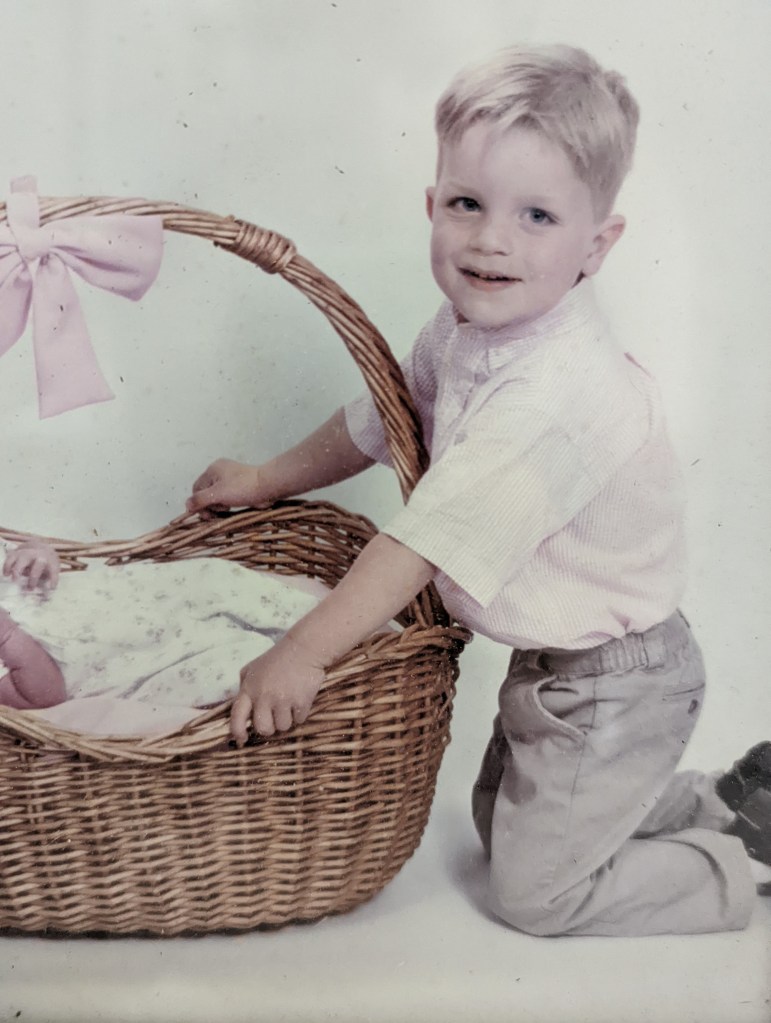
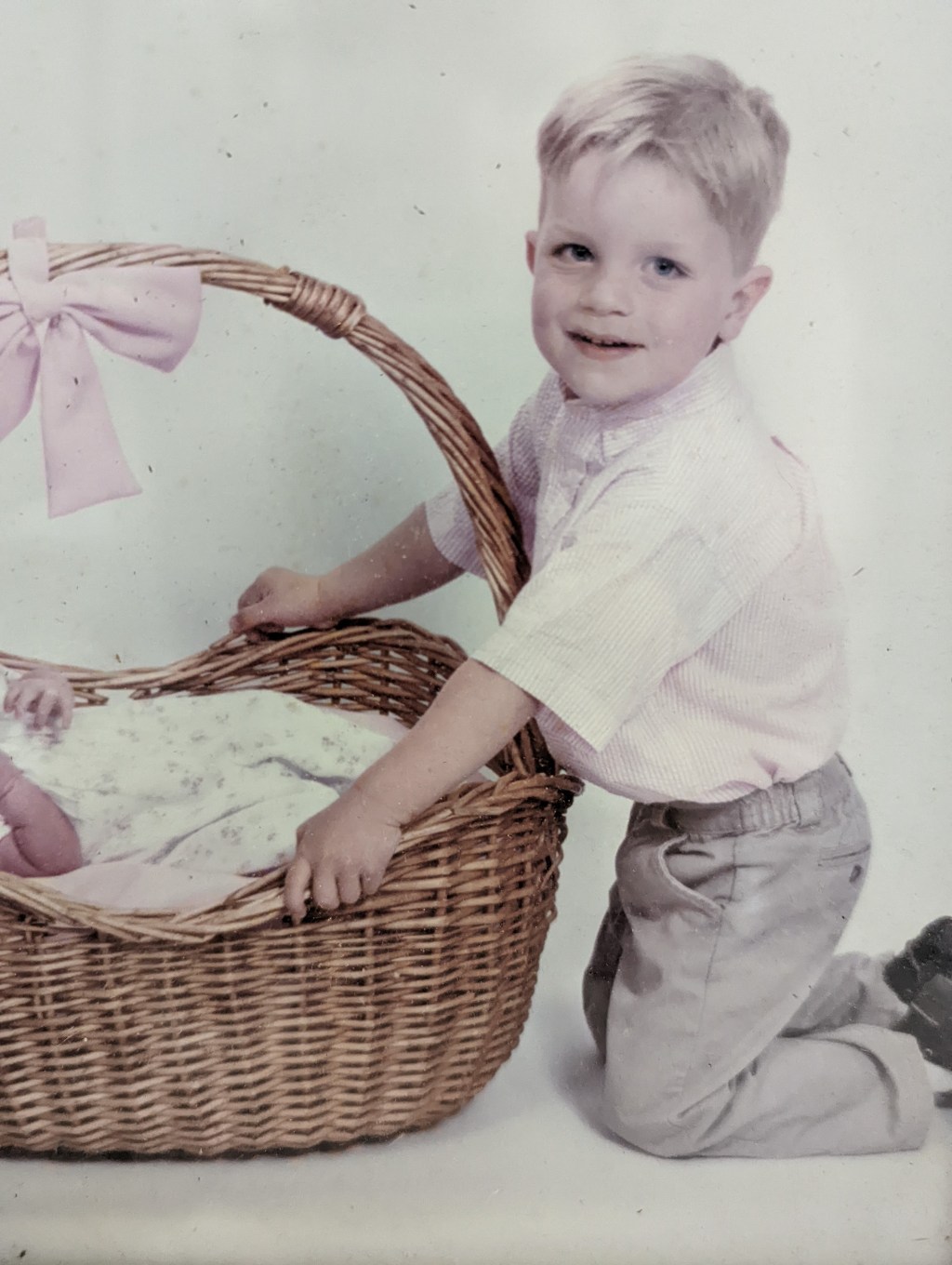
Photo Credit: My Mom
Other than that, I just remember what I did wrong. I’d switched from weed to drinking right around the time we met. I was sneaking bottles of various liquors up to my room – some of them gross, to this day I remember drinking a bottle of spiced rum that tasted like barbeque sauce – and would often be drunk when she picked me up. I remember one instance where she was bringing me to meet two of her friends at a late night coffee / music spot, and she didn’t realize until I got out of the car that I was drunk. I remember that same night – laughing my butt off at nothing in particular, wasted, moving around so obnoxiously that I knocked over her friend’s milkshake and made a mess. If she didn’t see me doing things like that, she had me when I wasn’t drinking, which made me equally unpleasant. I was paranoid that she was still seeing her old boyfriend, and equally paranoid that she’d break up with me at any moment. I remember when she actually broke up with me saying that wasn’t the right decision, as if I had more of a grasp on reality than she did. All of this is a long way of saying that I remember being a huge embarrassment, and that I sometimes still resent myself for getting into a relationship during a time where it wasn’t right for me. At the time, I wasn’t going to let common sense stop me from doing what I wanted.
But I didn’t know that at the time. I always hear “you live and you learn,” and as defensive or irritated as I may get hearing that, it’s true; you wouldn’t be the person you are today if you hadn’t made those mistakes, because you never would’ve learned from them, and without those mistakes you – in all likelihood – would presently be the same person you resented yourself for being. That was the textbook definition of a run-on sentence, but it’s the best way I know how to say it. So when it comes to the question of whether I’d erase that memory I would say no, because then I’d likely be in an even more perilous spot.
Kaufman’s films always – whether I liked it or not – made me reflect on something; my writing, my decisions, my recovery, my life as a whole. Those are lessons you don’t necessarily learn when you watch Pulp Fiction.
Well, that’s it. I know that, in the end, this part may not have directly delivered on the title. At the same time, I would venture to say a certain level of reflection on the past is akin to most writers. If you want to talk more about Kaufman’s films, recovery, reflection, or how any of the latter have shaped your foundation as a writer, you know where I’m at. Don’t hesitate to like and comment.
 Almost Linear
Leave a comment